
If you want more interview calls, you need more than a polished resume. Job description analysis helps you understand exactly what an employer wants, so you can tailor your application to match the role more closely.
Many candidates apply widely and hope for the best. The people who stand out usually take time to study the job posting, identify the priorities, and present their experience in a way that feels relevant and convincing.
What Job Description Analysis Means
Job description analysis is the process of carefully reading a job post to identify the skills, qualifications, responsibilities, and traits the employer values most. It goes beyond scanning for the job title or salary and looks at the real signals inside the posting.
This includes details like required tools, years of experience, soft skills, industry knowledge, and even repeated phrases. When you understand these patterns, you can position yourself as a stronger fit before the interview even happens.
Why It Matters
Hiring managers and recruiters often review many applications in a short time. They look for clear evidence that a candidate understands the role and has the right background to succeed.
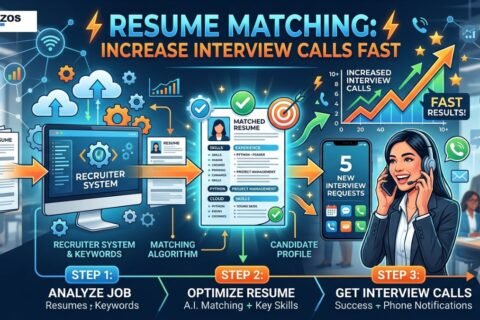
When your resume and cover letter reflect the language of the job description, it becomes easier for the employer to see the match. That can improve your chances of passing screening systems, getting noticed by recruiters, and being invited to interview.
How It Improves Your Application
Job description analysis helps you focus your energy where it matters most. Instead of sending the same resume to every role, you can adjust your application based on the employer’s priorities.
Here are some of the biggest benefits:
- It helps you match keywords that applicant tracking systems may scan for.
- It shows you which skills to highlight first.
- It helps you remove irrelevant information that weakens your application.
- It gives you clues about what the employer cares about most.
- It prepares you for likely interview questions.
When your application feels targeted, it looks more thoughtful and professional.
Finding the Right Keywords
One of the most practical parts of job description analysis is keyword identification. These are the words and phrases that appear repeatedly in the posting, such as “project management,” “stakeholder communication,” “data analysis,” or “customer retention.”
You can use those terms naturally in your resume summary, bullet points, and cover letter. This does not mean copying the job post word for word. It means speaking the same professional language as the employer so your fit is easier to recognize.
Spotting the True Priorities
Not every requirement in a job description carries the same weight. Some are must-haves, while others are preferences.
Look for clues like:
- Words such as “required,” “must have,” or “essential.”
- Repeated skills or responsibilities.
- Qualifications listed near the top of the posting.
- Responsibilities that make up most of the description.
- Traits like “self-starter,” “collaborative,” or “detail-oriented.”
These clues help you figure out what the employer is truly hiring for. Once you know that, you can shape your application around those priorities instead of guessing.
Aligning Your Resume
A strong resume is not just a list of your past jobs. It is a marketing document designed to show that you are a match for a specific role.
After analyzing the description, update your resume so the most relevant experience appears near the top. Reorder bullet points, emphasize measurable results, and use examples that directly reflect the job’s responsibilities. This makes it easier for recruiters to connect your background to their needs.
Writing a Better Cover Letter
A cover letter gives you space to explain why you are a strong candidate in a more personal way. Job description analysis helps you avoid generic statements and write with purpose.
Instead of saying you are “excited about the opportunity,” explain how your background matches the role’s challenges. If the posting emphasizes teamwork, highlight a time you collaborated across departments. If it focuses on growth or efficiency, share a result that proves you can deliver in that area.
Preparing for Interviews
Job description analysis is not just useful before you apply. It also gives you a head start on interview preparation.
Most interview questions are based on the responsibilities and skills listed in the posting. If the employer says they need someone who can manage deadlines, solve problems, or work with clients, you can expect those topics to come up during the interview. Studying the description helps you prepare stronger examples and answer with confidence.
Matching Skills to Stories
One of the biggest reasons candidates miss interview opportunities is that they list skills without proving them. A job description tells you what kind of proof the employer wants to see.
For example, if the role asks for leadership, you should prepare a story that shows how you guided a team, handled a conflict, or improved a process. If the role asks for analytical thinking, be ready to explain how you used data to make a decision or solve a business problem. The more closely your examples match the job needs, the more convincing you become.
Avoiding Common Mistakes
A lot of job seekers hurt their chances by skipping analysis and applying too quickly. This often leads to vague resumes, weak cover letters, and interview answers that do not fully connect to the role.
Common mistakes include:
- Applying with one generic resume for every job.
- Ignoring the difference between required and preferred qualifications.
- Focusing on duties instead of results.
- Missing key keywords from the posting.
- Failing to prepare examples based on the role’s priorities.
Avoiding these mistakes can make your application stronger almost immediately. Even small changes can have a big impact on how employers view you.
A Simple Analysis Process
You do not need a complicated system to get value from job description analysis. A simple step-by-step approach works well and can save time.
- Read the job post slowly from top to bottom.
- Highlight repeated words, skills, and responsibilities.
- Separate must-have qualifications from nice-to-have items.
- Compare the role with your own experience.
- Update your resume and cover letter to reflect the strongest matches.
- Prepare interview stories that support those matches.
This process helps you apply with intention instead of guessing what the employer wants.
Why It Feels More Human
Good job description analysis is not about gaming the system. It is about understanding the employer’s needs and communicating your value clearly.
That makes your application feel more human because it shows effort, relevance, and self-awareness. Employers do not just want someone qualified on paper. They want someone who understands the job, can speak to it honestly, and is ready to contribute from day one.
Final Thoughts
Job description analysis improves interview chances because it helps you apply with precision. Instead of sending out generic applications, you can tailor your resume, cover letter, and interview preparation to what each employer actually wants.
That extra effort often makes the difference between being overlooked and being shortlisted. If you want better results in your job search, start with the job posting itself, because it already contains the clues you need.