Finding the right job keywords can make the difference between getting noticed and getting ignored. With so many resumes, job posts, and applicant tracking systems competing for attention, AI gives job seekers a smarter way to discover the words that matter most.
Instead of guessing which phrases to include, you can use AI to analyze job descriptions, compare industry trends, and surface the exact terms employers are looking for. That means better targeting, stronger alignment, and a more effective job search strategy.
What Job Keywords Are
Job keywords are the specific words and phrases recruiters use to describe skills, roles, tools, responsibilities, and qualifications. They often include hard skills like “data analysis,” soft skills like “cross-functional communication,” and role-specific terms like “project coordination” or “customer retention.”
These keywords appear in job listings, resumes, LinkedIn profiles, and applicant tracking systems. If your application contains the right ones, it becomes easier for hiring managers and software filters to recognize your fit.
Why Job Keywords Matter
Job keywords are important because they help your resume match the language employers use. Many companies rely on applicant tracking systems to scan applications before a human ever reads them, and these systems look for relevant terms.
When your content includes the right keywords, you improve your chances of passing automated filters and catching a recruiter’s eye. You also make your experience feel more relevant and easier to understand.
How AI Finds High-Value Keywords
AI can process large amounts of job data much faster than a person can. It scans job descriptions, industry reports, company pages, and even multiple postings for the same role to identify recurring terms.
Here are some of the main ways AI helps identify high-value job keywords:
- It analyzes patterns across many job listings to find common terms.
- It recognizes synonyms and related phrases, so you do not miss important variations.
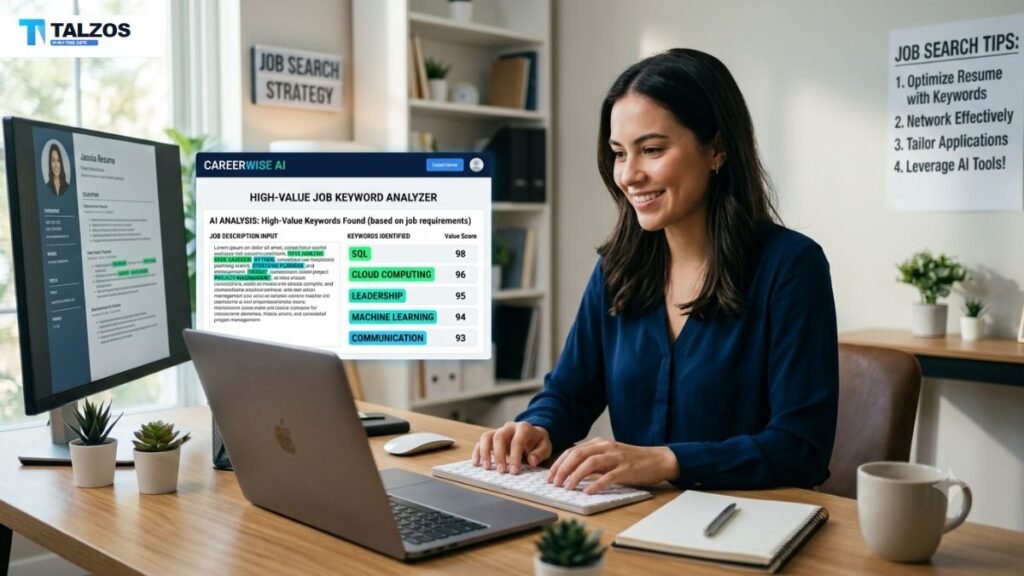
- It ranks keywords by frequency, relevance, and role specificity.
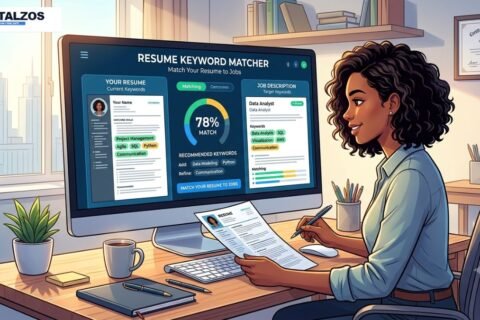
- It compares your resume with a target job description and highlights gaps.
- It suggests stronger wording based on industry norms and hiring trends.
This makes AI especially useful when you are applying for competitive roles or changing careers.
AI and Keyword Relevance
Not every keyword is equally useful. Some are too broad, while others are highly specific and much more valuable for a certain role.
AI helps separate generic terms from high-value job keywords by looking at context. For example, “team player” may appear often, but “SQL,” “budget forecasting,” or “CRM optimization” may carry more weight for a specific position. AI can help you focus on the terms that actually improve your match score and application strength.
Using AI for Resume Optimization
One of the best uses of AI is resume optimization. You can paste a job description into an AI tool and ask it to identify the most important keywords, skill phrases, and action verbs. Then you can compare those terms with your own resume.
This helps you:
- Replace vague language with stronger, more specific wording.
- Add missing keywords where they naturally fit.
- Match the tone and terminology of the job posting.
- Highlight experience that aligns with the role.
For example, if a job description repeatedly mentions “stakeholder management,” “workflow automation,” and “reporting dashboards,” AI can help you make sure your resume reflects those terms where appropriate.
AI for LinkedIn and Job Search Profiles
Job keywords are not just for resumes. They also matter on LinkedIn, online portfolios, and other professional profiles. AI can help you identify the words recruiters are likely to search for and suggest ways to improve your headline, summary, and experience sections.
A profile optimized with the right keywords can appear in more recruiter searches and create a stronger first impression. This is especially useful if you want to be found for a specific job title or industry niche.
How AI Supports Career Changers
Career changers often struggle with keyword selection because they may have experience in one field but want to apply it to another. AI can help translate past experience into language that fits the new role.
For example, a teacher moving into corporate training might not realize that “instructional design,” “learning outcomes,” and “training facilitation” are high-value keywords for the target role. AI can identify those terms and help reframe existing experience in a more relevant way.
This does not mean exaggerating your background. It means expressing your skills in a way that matches the language of the field you want to enter.
Best Ways to Use AI for Job Keywords
To get the best results, use AI as a research partner rather than a shortcut. The strongest job searches combine AI insights with your own judgment.
Try these approaches:
- Paste several job descriptions into an AI tool and ask it to identify repeated keywords.
- Compare keywords across similar roles to find the most consistent terms.
- Ask AI to separate must-have skills from nice-to-have skills.
- Use AI to rewrite bullet points so they naturally include target keywords.
- Review the output carefully to make sure it still sounds like you.
A human touch still matters. Keywords should fit naturally, not feel stuffed into the text.
Common Mistakes to Avoid
AI can be helpful, but it is easy to misuse it. If you overdo keywords, your resume can sound robotic or forced.
Avoid these mistakes:
- Keyword stuffing, where the same term is repeated too often.
- Copying job description language without adapting it to your experience.
- Using keywords that do not reflect your real skills.
- Relying only on AI without checking relevance.
- Ignoring role context and company-specific language.
The goal is to improve clarity and alignment, not to trick the system.
Example of AI Keyword Insight
Imagine you are applying for a digital marketing role. AI may scan multiple postings and notice terms like “SEO strategy,” “Google Analytics,” “paid search,” “campaign reporting,” and “conversion optimization.”
If your resume only says “managed marketing campaigns,” you are missing more targeted job keywords. By adding the right terms where they apply, you make your experience more searchable and more convincing.
That small shift can significantly improve how your resume performs.
The Future of Job Keyword Search
As hiring tools become more advanced, AI will play an even bigger role in helping job seekers understand what employers want. Future tools may provide even deeper analysis of role trends, company priorities, and skill gaps.
That means job seekers who learn how to use AI now will likely have an advantage later. The ability to identify high-value job keywords is becoming a modern career skill, not just a resume trick.
Final Thoughts
AI makes it much easier to identify high-value job keywords and use them strategically across your resume, profile, and applications. It helps you understand what employers care about, match your experience to the right roles, and present yourself more effectively.
The best results come when AI and human judgment work together. Let AI uncover the keyword patterns, then use your own voice to turn those insights into a polished, believable job search strategy.